New Zealand's economic backbone not so strong

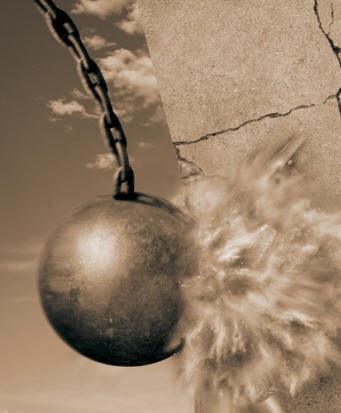
Anna Chrichton's brilliant cartoon sums it up.
The problem with agriculture is that most New Zealanders get little value from the sector. While it earns around 85% (dairy is 30%) of our export income it only adds only 5% to our total GDP. It employs just 5% of the workforce and contributes a measly 1-3% of total tax income. The income generated mainly goes to the likes of Fonterra (15 staff earn over $1 million pa), various corporates (many overseas owned) and increasing equity for farm owners who pay minimal tax. Total farm debt was almost $65 billion at the end of 2025 that helped feed the $7.5 billion net profit for our Australian owned banks. New Zealand exports are mainly raw and semi-processed goods sold in commodity markets and those buying them make even more money from adding further value. Our low level of productivity is partly because we do little manufacturing ourselves. We are rely on quantity over quality.
More and more of our agricultural production is now owned by overseas corporates that funnel profits off shore: 50% of our forestry cutting rights, 40% of wine production and 25% of our food and beverage manufacturing.
Even in the dairy industry there are more overseas players...
Yili Group: The Chinese dairy giant owns several major New Zealand operations, including Oceania Dairy near Waimate and Westland Milk Products in Hokitika.
Bright Dairy: This Chinese state-owned enterprise is the majority owner (roughly 65%) of Synlait.
The a2 Milk Company: Now predominantly overseas-owned, they acquired the Yashili NZ processing facility in Pōkeno.
Other Multinationals: Global firms like Danone, Nestlé, FrieslandCampina, and Singapore-based Olam Food Ingredients (Ofi) also own or utilize local processing assets.
Fonterra recently sold its global consumer brands (including Mainland, Kapiti, Fresh & Fruity and Fernleaf) to the French dairy giant Lactalis in a landmark $4.2 billion deal. The divestment allows Fonterra to transition into a pure business-to-business (B2B) dairy ingredients and foodservice provider. While it gave each farm a $400,000 windfall, consumers are unlikely to see the prices of dairy products fall and, after the initial sugar high, more dairy profits will end up heading offshore.

New Zealand households are expected to pay prices for food grown and produced in our country that are often higher than the countries we export to. Farm intensification has made most of our lowland rivers too polluted to swim in and slash from forestry has caused major damage during high rainfall events.
Farms produce the majority of our green house gases through the methane and nitrous oxide (both more potent than carbon dioxide) and ordinary tax payers will have to foot the inevitable bill for those emissions if we don't meet our targets.
Intensive agriculture also adds considerably to our current account deficit (around $4-5 billion a year of imports). Millions of tonnes of grain/palm kernel, fertilizer, fuel and farm machinery are all imported. With the focus on exporting so much of what we produce on our farms we have forgotten to ensure we can feed ourselves first and now import increasing amounts of food we could produce locally. A few years ago a Groundswell farmers' protest drove past our house and one enormous tractor had a placard attached claiming, 'Don't bite the hand that feeds you!', but very little that our local farmers produce ends up in our local supermarkets. Dairy farms dominate agriculture in our region and all the milk they produce is dried and exported, our supermarket milk is bottled and trucked from another region. We have no orchards, few market gardens and our supermarkets are full of Chinese garlic, Californian lemons and Australian bacon. Even our tinned apricots are sourced from South Africa.

The external costs of farming (impacts on land, water and climate) are being subsidised by our rates and taxes and farmers continue to demand an even greater representation at local government level to enable their businesses further. At the end of the day each farmer is running a business, like any other business, and yet there is an expectation that more and more of the risks and environmental impacts should be covered by the rest of us.

I think we need a strategic rethink regarding the real value and potential of different sectors and question whether our agriculture sector is providing the value they claim.


Comments