NZ egalitarianism ditched, poverty entrenched and mega wealth thrives

When I was a child in the 1960s I didn't have an awareness of inequality. There was no evidence of rough sleeping, all children brought lunches to school and whether you were a freezing worker, a teacher or even an MP, incomes didn't seem to vary that much. 60 years ago an MP would earn about the same as a teacher, plus expenses. The unemployment rate then was under 1%.
There were no records regarding the individual wealth of New Zealanders until the first NBR Rich List in 1986. John Spencer topped the list then with his total wealth of $675 million, inflation adjusted it would be the equivalent of about $1.9 billion. Today there are 18 individuals and families with wealth over $1 billion and the wealthiest have over $20 billion. In 40 years real wealth at the top has increased around 10 times. Sixty years ago the top statutory personal income tax rate was 67.5%, it is now 39%. The IRD found that the very richest in NZ only pay around 8-9% on their net income, due to untaxed capital gains etc.
The estimated impact of serious financial fraud cost NZ $3 billion in 2025 and the government provided $17 million to fund the operations of the Serious Fraud Office, almost the same amount was spent by MSD to investigate benefit fraud. Over-payments and deliberate welfare fraud involved 10 times less money than white collar crime and those implicated less able to pay it back and yet more effort is made to recover money from the poor.
In the 1960s the median household could survive on one income, many could easily afford new homes for their families and there was no waiting list for state houses. The average price for a house was about $170,000 (when inflation adjusted) and the average today is just under $1million. New Zealand now has amongst the most expensive housing in the world.
In 1986 the median annual income, inflation adjusted, was $71,000 and the median in 2026 is now $69,800, it has dropped slightly in real terms but basic costs have increased. 500g of butter costs twice as much now and in 1986 the median house was worth 2.7 times the median household income, it is now 7 times.
In 1966 the average CEO or government department head would earn 20 times more than an entry level worker, it is now 40 times. Executive salaries in government departments and corporate businesses have increased dramatically over the last few decades.
Gentrack CEO Gary Miles was paid an eye watering $17.3 million in the last financial year. That equates to $75,000 per working day, $32.91 every minute or $3 dollars every time he takes a breath.
New Zealand's four largest banks collectively made almost $7 billion in net profit from our banking activity last year ($1,248 of profit for every New Zealander). In 2025 ASB CEO Vittoria Shortt earned $5.1 million, BNZ's Daniel Huggins earned $3.4 million, ANZ's Antonia Watson earned $2.8 million and Westpac's Cathrine McGrath earned $2.4 million. Vittoria Short earns 10 times more than a NZ heart surgeon. It takes around 15 years of intensive training and long hours to become a qualified heart surgeon and Shortt describes her academic qualification as a Bachelor of Management Studies, Accounting and Finance from the University of Waikato.
200 Fonterra employees would earn more than the dairy farmers they serve and 15 staff earn more than $1 million pa. Miles Hurrell the Fonterra CEO earned $6.1 million in 2025. A dairy farm worker earns around $64,000 a year.
MPs now earn over twice as much than most teachers and can claim a housing allowance half as much again. A cabinet minister earns $327,000 pa and can claim an accommodation allowance of $52,000 ($1000 per week). The accommodation allowance can be fully claimed even when the minister owns the house and is mortgage free. The accommodation supplement for a struggling family with children is around $250 per week.
Crown entity board directors to get fee increases of around 80%. The median fee payment will go up from
about $54,000 pa to over $80,000. The directors meet formally between 6 and 12 times a year but around 30 days a year time investment, most have other directorships and incomes. Rural volunteer firefighters are doing on the job training, maintenance and callouts for 60 days plus a year and are often dealing with traumatic road accidents involving serious injury and death. They get no pay other than covering basic expenses.
Over the years I have served on a number of national and local boards and committees involved with important services provided by not for profit organisations, I get no pay or allowance apart from some expenses being covered. Those who share the roles with me are generally not super wealthy but want to serve their communities in useful ways.
When the COVID 19 lockdowns occurred there were a number of jobs that were seen as essential to maintain core services and keep our country functioning. Those jobs included a high percentage of our lowest wage workers:
Aged care workers, supermarket workers, farm labourers, food processing and packaging workers, animal and welfare services, orchard workers, truck drivers, wharfies, postal and courier workers, rubbish and recycling collectors, volunteer fire fighters...Most earned well beneath the living wage. The sacrifices they made regarding their own health and that of their families were considerable. While they were thanked for their efforts at the time, many have recently had their pay equity claims removed.
The point of this post is to show a noticeable shift of attitudes regarding wealth and the value of work.
It is important to acknowledge that there have been improvements in NZ society regarding the treatment of women in the workplace, how we regard race and and cultural difference etc. However, our attitudes regarding extreme wealth, the value of work and service and role of government has changed considerably. We have drifted a long way from the welfare state vision of the first Labour government and now live in a neoliberal world where individual rights and property rights especially are considered more important than the collective good. People who work in low paid, but vital jobs are looked down on for a lack of ambition. Our productivity per capita has plummeted since the 60s, actually working and making stuff is less financially viable now than just owning stuff.
Those who create their wealth through owning property -shares etc - have greater legislated support (property rights ahead of human rights) and generally pay less tax than those who work (8-9% according to the IRD), while most households pay 20% of their wages and salaries in tax.
In the 1960s:
- Extreme wealth was considered obscene, the very wealthy in NZ did not flaunt it and they were heavily taxed.
- Most work was rewarded with liveable incomes
- Work/life balance was tightly managed. Few people were expected to work over weekends and holidays and were well paid if they did.
- There was a deliberate effort to find work for everybody capable of doing something (1% unemployment). New Zealand Rail as NZ's largest employer provided jobs for many disabled and unqualified workers.
- Long service in any job was recognised and rewarded.
- 35% of wage and salary workers were unionised.
- Apprenticeships were common and many businesses were prepared to mentor and support beginning workers
- New Zealand prided itself in being self-sufficient with regards our food system and manufacturing. We built and maintained our railway engines and rolling stock, we constructed large hydroelectric power stations and led the world in small bridge design. We built enough state houses to meet demand and most of our bicycles were built in NZ. We were competitive internationally because electricity costs were minimal and rail was an efficient transport system for large amounts of freight.
- We were ranked in the top 5 in the world for our standard of living and GDP per capita and one of the best for child health and wellbeing.
- 6% of all jobs were in the public service, with 'service' being the focus rather than profits.
- Health care, education and family support services were free and widespread. In 1970, with a population of half the current level, there were around 150 maternity hospitals and units, there are only 56 now. There was virtually no GP shortage, and a university education would not involve substantial debt.
- It was considered a basic human right to have a home and there were no large mansions that are common in NZ today.
- Hard work was rewarded, no matter the kind of job and qualifications people could live comfortably on their incomes, upward mobility was common. Many children brought up in state houses could do well with free eduction and ready access to work and job training.

- Extreme wealth has become accepted and flaunted, with massive mansions and a growing number of gated communities. It is estimated that around $1.2 billion was spent on new luxury cars in 2025.
- NZ is unique in not taxing capital gains, inheritance or wealth.
- It is estimated that about 360,000 workers earn less than the living wage and $5 billion was paid out last year for families that struggled to cover living costs and housing on their incomes.
- New Zealanders work more hours than average in the OECD. A two day weekend is not a reality for many families and many workers who were considered employees are now considered contractors and can't afford to take holidays (courier drivers).
- In the 1990s it was established that around 3% of unemployment was beneficial to create competition for jobs and keep wages low. Unemployment currently sits at 5.3%
- Employers are more reluctant to take on apprentices, unskilled and disabled workers because of the cost of training. and support. The unemployment rate for under 24 years is 15%
- It is not uncommon for people who have worked for decades for one business to be made redundant with no farewell or recognition of service. Work has been commodified.
- Over the last few decades businesses are reluctant to pass on to workers any of the profits generated from their work. Wages have not kept up with productivity and a higher proportion of business profits are passed on as dividends to shareholders.
- There are fewer skilled manufacturing jobs and greater numbers of low paid jobs in hospitality, care work, retail and horticulture. There is less job security as many jobs are seasonal or contracted.
- Only 2.3% of all jobs is in the public service and even this is now considered too much.
- Only 10% of private sector wage and salary earners are unionised.
- 70% of elective surgeries are done in private hospitals now and timely treatment is likely to occur only if you pay. There is a shortage of GPs and long wait times in A&E units. Tertiary education is largely funded by the students themselves and the average student loan for a degree is $30,000 and $40,000 for a postgraduate degree.
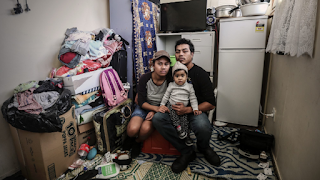
- According to StatsNZ in 2023 112,000 people were extremely housing deprived. Almost 5,000 were living with no shelter and that number may have doubled currently.
- Around 10,000 houses in NZ are valued at over $5 million. Housing is now seen as a pathway to wealth rather than providing homes. 70,000 houses are used for Airbnbs and are not available to rent.
- The perks of wealth and privilege are now regarded as 'entitlements' and there are many rewards for those in governing and executive roles. Many bank fees are waived for those with large bank balances. Those with wealth have access to airport lounges, first class travel, cheap parking, large expense accounts, superior health and dental care. Schools in affluent communities have superior facilities and education support because they can afford higher donations to top up government funding. Inequality is evident in many aspects of NZ society.
- Upward mobility is almost impossible now. If you don't have wealthy parents providing the Bank of Mum and Dad, access to further education is limited, student loans are difficult to pay off when many jobs pay little and owning a home is an impossible dream. For many families just surviving means increasing debt. New Zealand has one of the highest levels of private debt in the OECD.
- We are ranked near the bottom of the OECD for child wellbeing and the very bottom for child mental health.
- Income and welfare support is considered by many to be an unnecessary handout rather than a hand up as it was originally viewed. The finance minister likened getting a state house to winning Lotto, something that is based on luck rather than basic need. In 1991 Ruth Richardson's Mother of All budgets slashed benefits, child poverty immediately doubled and food banks became essential in many communities. This has remained the reality since.
The growing inequity in New Zealand is not a natural outcome, it has been deliberately supported through political decisions and can be reversed through political will. I do not envy the wealthy, I grieve for our collective loss of compassion and the concept of service. The current government claims that those in governance roles need to be paid well if we want the most capable people. However, if those people are motivated by financial reward, perhaps they are not the right people.
Over the past five years New Zealand has experienced substantial economic growth with our GDP increasing by an average of $18 billion per year, but our current system funnels that wealth to a select few. Major corporates have non disclosed, direct access to the Prime Minister's Office and can dictate legislation in their own interests.
The egalitarianism that New Zealand was once celebrated for has been replaced by an oligarchy.


Postscript: Dame Anne Salmond has written this excellent piece that explains how we made the journey from a country that was considered an egalitarian paradise by many to becoming recognised for rapidly growing inequality.


Comments